Creative Non-Fiction
At Home in Another Tongue
8 min read • February 2024 • By Larkspur Words
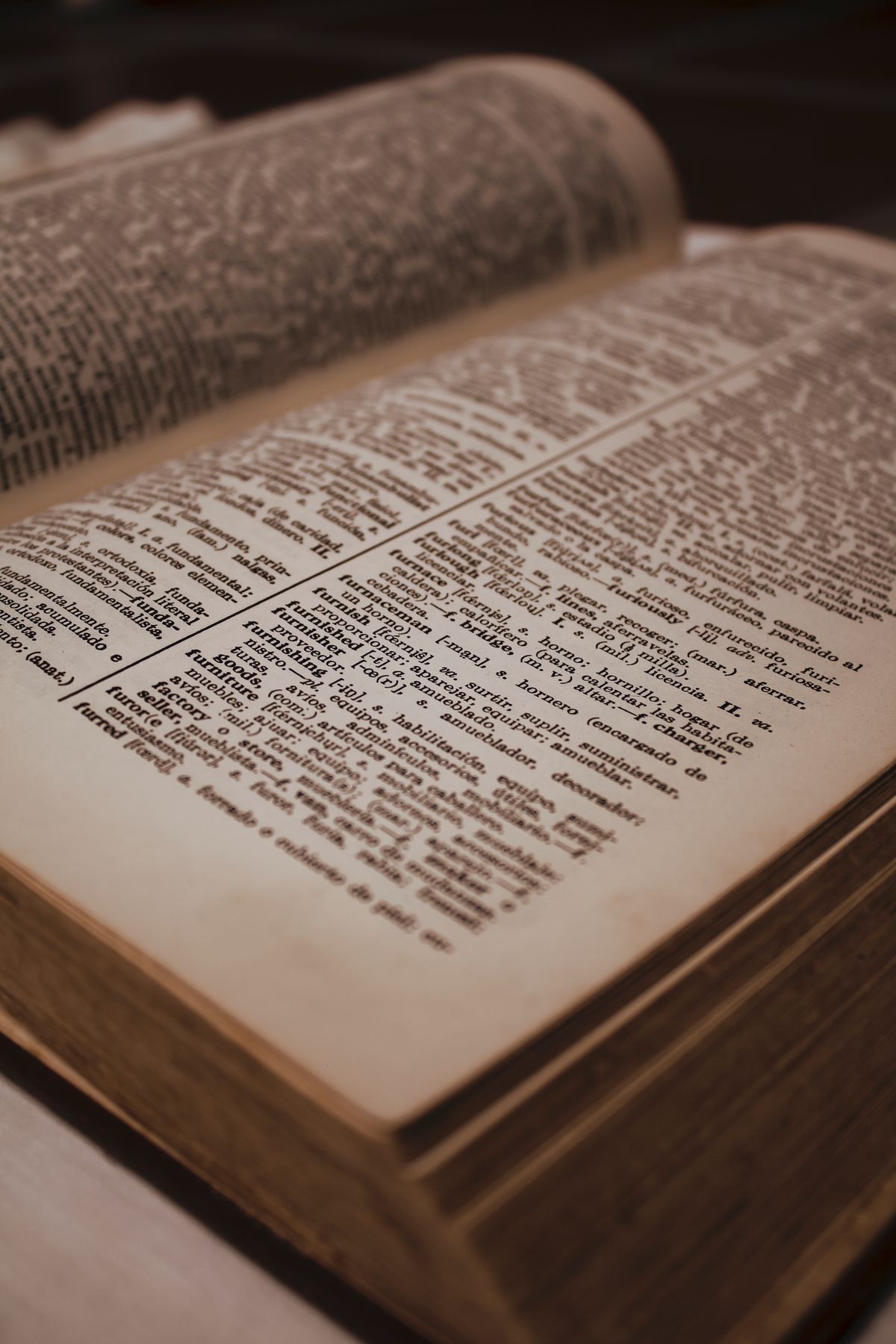
At thirty-six I enrolled in evening Portuguese with the confidence of a novelist and the vocabulary of a toddler. Obrigada, I told the registrar. Por favor. That was nearly everything.
Learning a language as an adult is a particular humiliation and a particular gift. You lose your fluency, your wit, your ability to be understood as yourself — and in exchange you get to watch a second self assemble, word by clumsy word. My Portuguese self was simpler, kinder, funnier in accident. I liked her immediately.
Translation as hospitality
My teacher, Dona Beatriz, corrected my essays in green ink and fed us soup. “A language,” she said, “is a house someone built for you before you arrived. Wipe your feet.” I have thought about that sentence every week since — while writing dialogue, while editing students, while listening to my neighbours.
To translate is to host: you make room in your own tongue for someone else's meaning. Some furniture won't fit through the door. You carry it around the back, together, laughing.
“A language is a house someone built for you before you arrived. Wipe your feet.”
Two years on I am conversational and still gloriously wrong in public. I dream occasionally in Portuguese — always about the sea, always subtitled. My first self and my second self have made their peace. They take turns at the desk now, and the work is better for it.
Try it yourself
Take one paragraph of your own writing and translate it — with a dictionary, badly, on purpose — into any language you half-know. Then translate it back. The scars the sentences come home with are often the most interesting lines you've written all year.

Larkspur Words writes novels, essays and stories from Brooklyn, New York. Her essay collection The House We Carry explores belonging and identity.