Essay · On Craft
In Praise of the Second Draft
10 min read • January 2024 • By Larkspur Words
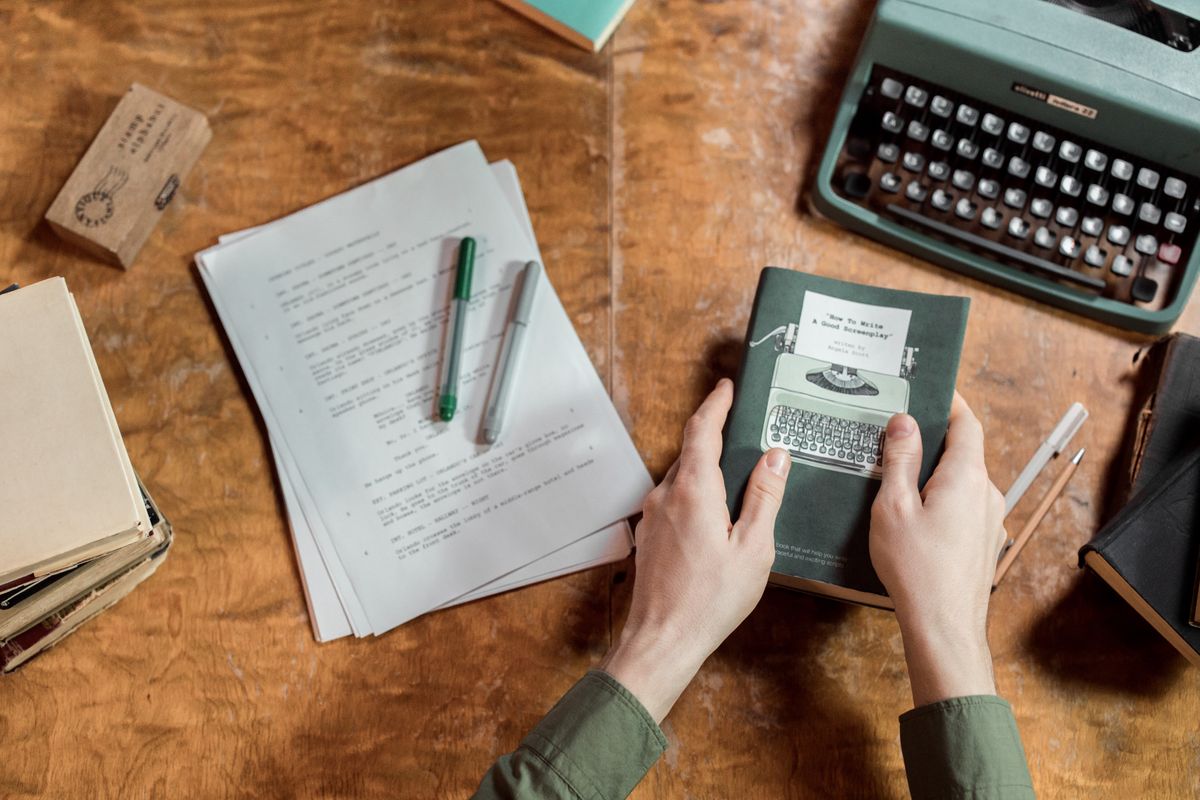
Nobody has ever read my first drafts except me, and that is exactly as it should be. First drafts are scaffolding: necessary, ugly, load-bearing. The book — the essay, the story — begins with draft two.
I used to dread revision. It felt like being asked to demolish a house I'd just finished building. Then an editor taught me the reframe I now teach every student: the first draft is you telling yourself the story. The second draft is you telling it to someone you love.
What the second draft is for
Draft two has exactly three jobs. First: structure — does the piece start in the right place, and does every scene earn its rent? Second: pressure — is something at stake on every page, even the quiet ones? Third: music — read it aloud, and cut every sentence you stumble over twice.
Notice what is not on the list: word choice. Fiddling with adjectives in draft two is rearranging deck chairs. Get the shape right and the sentences will tell you what they want to be.
“The first draft is you telling yourself the story. The second is you telling it to someone you love.”
My own ritual: print the draft, read it in one sitting with a red pen, and write a single sentence at the top — what the piece is actually about, discovered at last. Then I cut the first two pages. They are almost always throat-clearing. Yours are too; forgive us both.
Permission to delete
Keep a “cuttings” file for the darlings you murder. Knowing a paragraph is saved — not gone — makes the delete key feel like a kindness instead of a loss. Some of my best openings began as cuttings from other pieces entirely.

Larkspur Words mentors first-time authors and leads revision workshops each spring. Her novel The Distance Between Tides went through eleven drafts.